

In September 2025, we presented the first phase of a promising project in Madagascar.
Supporting the Wildlife Care Madagascar association, the Jacques Martel Foundation has embarked on a multifaceted project aimed at supporting local communities – particularly children. It focuses on key issues: health, training and the promotion of local skills, and is fully in line with the Foundation’s missions: to promote access to healthy and sustainable food for all, and to support the education of young people.
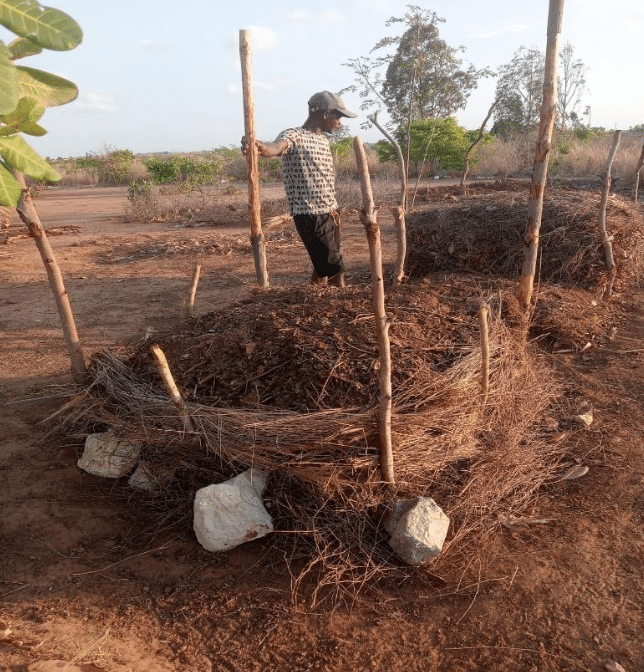
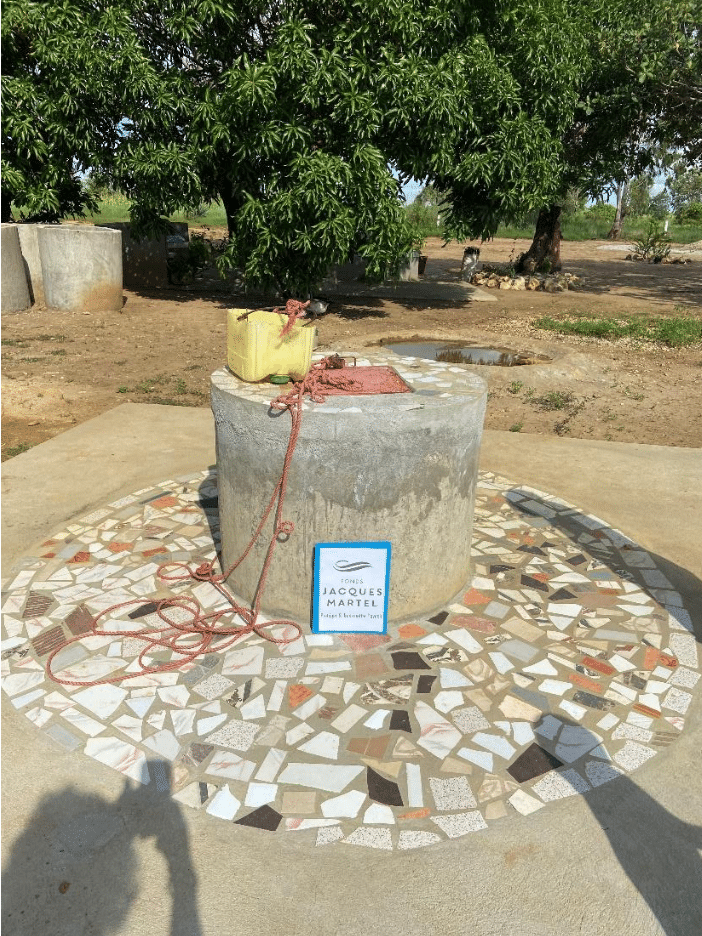
Seven months after its launch, significant progress has already been made: the plots have been prepared, training in gardening has been provided, trial crops have been planted, and a well has been built.
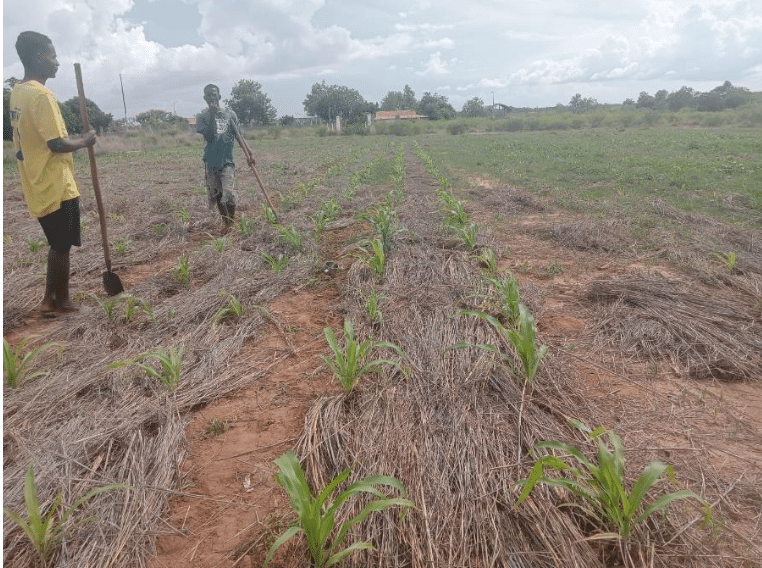
As regards the training aspect, four people have already been trained. This programme, run by a local centre, teaches farming practices that respect biodiversity and the soil. This is a relevant approach to the sustainable conservation of resources and to ensuring a more secure future for generations to come. The trainers emphasised the importance of respecting endemic species during land clearing and also taught the benefits of mulching in a hot climate.
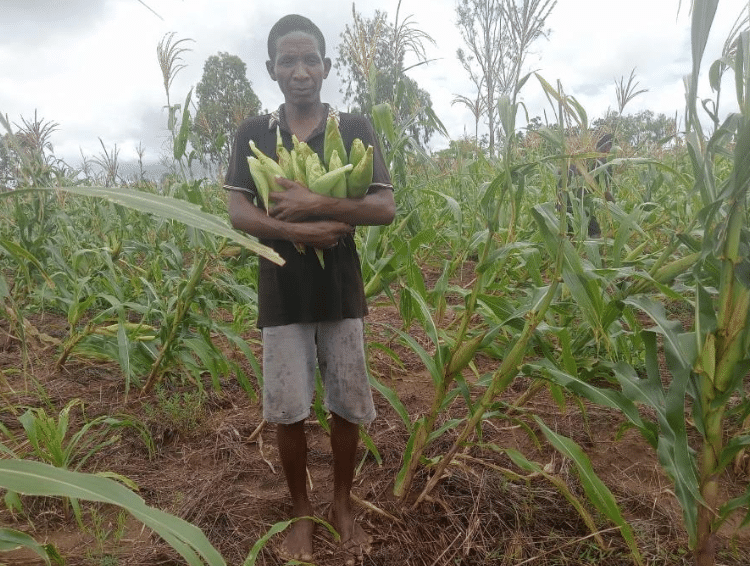
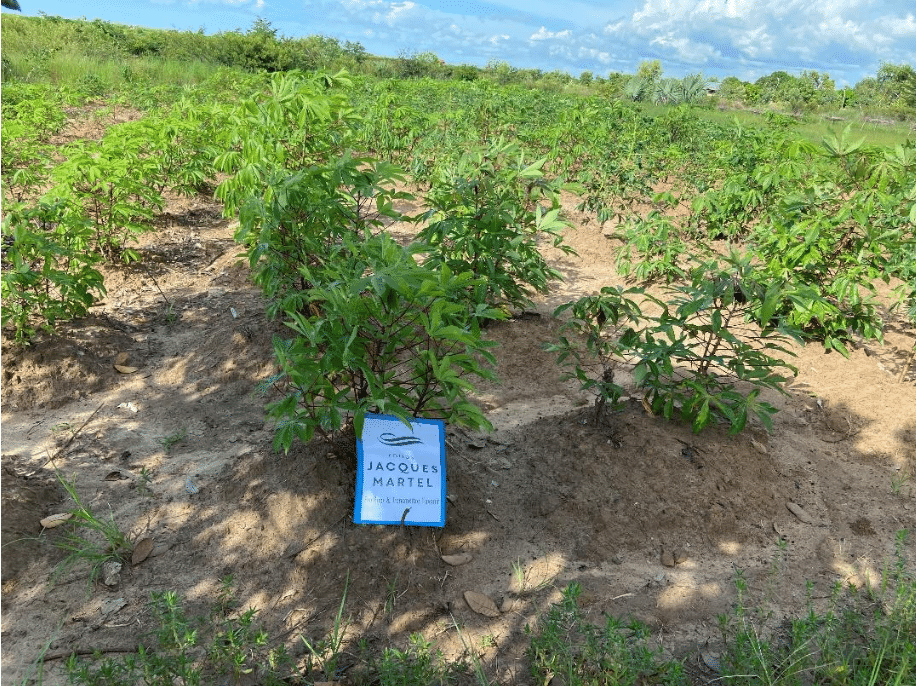
The planning of experimental crops also illustrates this commitment to adapting to the local context. In the middle of the rainy season, the team focused on four vegetable and fodder crops with high water requirements: maize, cassava, lowland rice and bambara beans. All grown using permaculture methods.
From April onwards, tomatoes will be planted. Indeed, the lower temperatures of the dry season provide favourable conditions for the pollination of many vegetable crops.
Summary in pictures
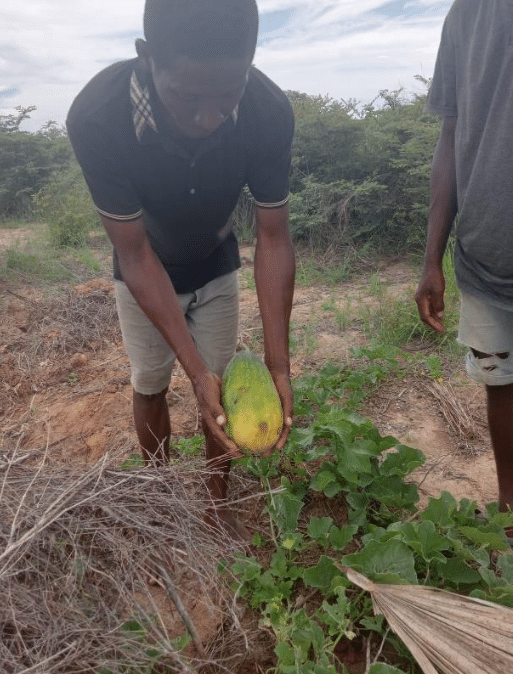
The Jacques Martel Foundation is particularly proud of this project, which has made remarkable progress and which helps to empower local communities and work with them to build sustainable solutions for future generations. The impact is therefore not solely agricultural: it is also social, as it fosters a collective spirit, develops skills, creates seasonal employment and boosts the confidence of those on the ground in their ability to produce, learn and pass on knowledge.
Further initiatives are still underway, which is very encouraging. A wonderful collaboration has been forged.